







Vietnam Country Guide
Vietnam is one of Southeast Asia's most dynamic and welcoming destinations, attracting millions of tourists, business travelers, expatriates, digital nomads, and international students every year. Known for its breathtaking landscapes, vibrant cities, rich cultural heritage, world-renowned cuisine, and affordable cost of living, Vietnam offers something for every type of visitor.
Whether you're planning a short holiday, a business trip, remote work, or a long-term relocation, this guide provides the essential information you need before arriving. From geography and climate to visa requirements, transportation, currency, internet access, and estimated costs, here's everything you need to know about Vietnam.
Geography and Climate
Vietnam stretches more than 1,650 kilometers from north to south and is divided into three distinct regions: Northern Vietnam, Central Vietnam, and Southern Vietnam. The country consists of 34 provinces and centrally governed cities, each offering unique landscapes, cultures, cuisines, and travel experiences.
Vietnam map showing regions, provinces, and major cities.
Northern Vietnam
Northern Vietnam comprises 15 provinces and municipalities, including Hanoi, Hai Phong, Quang Ninh, Lao Cai, Ninh Binh, Cao Bang, Son La, Lang Son, Dien Bien, Lai Chau, Hung Yen, Bac Ninh, Thai Nguyen, Tuyen Quang, and Phu Tho.
Some of Vietnam's most famous attractions are located here, including Hanoi, Ha Long Bay, Sapa and Fansipan, Trang An, Tam Coc, Ban Gioc Waterfall, and Moc Chau. The region features everything from the fertile Red River Delta to towering mountain ranges bordering China and Laos, creating spectacular scenery of limestone karsts, terraced rice fields, valleys, and ethnic minority villages.
Northern Vietnam experiences four distinct seasons.
- Spring (February–April): Mild temperatures and blooming landscapes make this an excellent time to visit.
- Summer (May–September): Hot, humid, and rainy, with occasional heavy downpours.
- Autumn (September–November): Pleasant temperatures, lower humidity, and clear skies make it one of the most popular seasons.
- Winter (November–February): Cool in the lowlands and cold in mountainous areas, where temperatures can occasionally fall below 0°C.
Central Vietnam
Central Vietnam consists of 11 provinces and municipalities, including Thanh Hoa, Nghe An, Ha Tinh, Hue, Quang Tri, Da Nang, Quang Ngai, Khanh Hoa, Gia Lai, Lam Dong, and Dak Lak.
The region is home to many of Vietnam's cultural and natural highlights, such as Hue Imperial City, Da Nang, Hoi An Ancient Town, Phong Nha–Ke Bang National Park, Nha Trang, Quy Nhon, and Da Lat.
Stretching along the country's central coastline and extending into the Central Highlands, Central Vietnam combines beautiful beaches, UNESCO World Heritage Sites, national parks, and cool mountain retreats.
The climate is characterized by two main seasons.
- Dry season (January–August): Warm, sunny weather ideal for sightseeing and beach vacations.
- Rainy season (September–December): Heavy rainfall and occasional typhoons, particularly along the central coast.
The Central Highlands enjoy cooler temperatures throughout the year due to their higher elevation.
Southern Vietnam
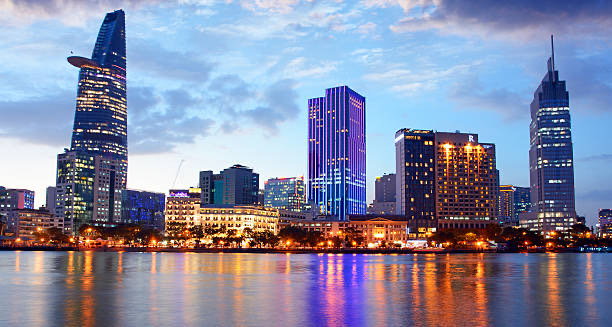
Southern Vietnam includes eight provinces and municipalities, including Ho Chi Minh City, Dong Nai, Tay Ninh, Vinh Long, Dong Thap, An Giang, Can Tho, and Ca Mau.
Popular destinations include Ho Chi Minh City, Vung Tau, Ba Den Mountain, Cai Rang Floating Market, Tra Su Cajuput Forest, Sam Mountain, Tram Chim National Park, and Cape Ca Mau.
This region is known for its energetic cities, fertile river plains, tropical wetlands, and the vast waterways of the Mekong Delta.
Southern Vietnam has a tropical climate with two primary seasons.
- Dry season (December–April): Warm, sunny, and generally the best time to visit.
- Rainy season (May–November): Frequent but usually short tropical showers, with the heaviest rainfall occurring between June and September.
Temperatures remain consistently warm throughout the year, typically ranging from 25°C to 35°C.
Best Time to Visit Vietnam
Vietnam's long coastline and diverse geography mean that weather conditions vary significantly from one region to another. While Northern and Southern Vietnam receive most of their rainfall during the summer months, the central coastal region experiences its wettest period later in the year.
For most visitors and newcomers, December to April is considered the best time to explore Vietnam. During these months, much of the country enjoys cooler temperatures, lower humidity, and relatively dry weather, making it ideal for sightseeing, outdoor activities, business travel, or settling into a new city.
Visa Requirements
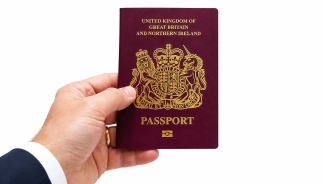
Vietnam offers visa-free entry to citizens of many countries and territories, while travelers from all other countries can conveniently apply for an electronic visa online.
Visa-free entry
14 days
- Myanmar
- Brunei
21 days
- Philippines
30 days
- Thailand
- Indonesia
- Singapore
- Malaysia
- Cambodia
- Laos
- Kyrgyzstan
- Kazakhstan
- Belarus
45 days
- Germany
- France
- Italy
- Spain
- United Kingdom
- Russia
- Japan
- South Korea
- Denmark
- Sweden
- Norway
- Finland
- Belgium
- Bulgaria
- Croatia
- Czech Republic
- Hungary
- Luxembourg
- Netherlands
- Poland
- Romania
- Slovakia
- Slovenia
- Switzerland
90 days
- Chile
- Panama
Citizens of all countries and territories are eligible to apply for a Vietnam e-Visa, which allows stays of up to 90 days.
- Single-entry visa: US$25
- Multiple-entry visa: US$50
Applications are completed entirely online through the official website of the Vietnam Immigration Department.
Currency and Money Exchange
Vietnam's official currency is the Vietnamese Dong (VND).
Common banknote denominations range from 500 VND to 500,000 VND. Based on current exchange rates, 1 US dollar is approximately equal to 26,000 VND, making the highest denomination worth roughly US$19.
Cash is still widely used throughout the country, although credit cards and contactless payments are increasingly accepted in major cities, shopping malls, hotels, and restaurants.
Transportation
Vietnam has an extensive transportation network connecting major cities and tourist destinations by air, rail, and road.
Air Travel
Vietnam has 22 civilian airports, including 11 international airports.
The country's three busiest international gateways are:
- Tan Son Nhat International Airport (Ho Chi Minh City)
- Noi Bai International Airport (Hanoi)
- Da Nang International Airport (Da Nang)
Domestic flights are frequent, affordable, and the fastest way to travel between regions.
Rail Travel
The North–South Railway stretches approximately 1,726 kilometers, connecting Hanoi and Ho Chi Minh City.
Although the railway is relatively old and the complete journey takes around 30 hours, it remains one of the country's most scenic travel experiences, passing through coastal landscapes, mountains, rice fields, and small towns.
Road Transport
Vietnam's road system connects all provinces, with National Highway 1A and the North–South Expressway serving as the country's primary transport corridors.
While infrastructure has improved considerably in recent years, traffic conditions can be challenging for newcomers. Unless you are familiar with local driving conditions, renting a car and driving yourself is generally not recommended.
For journeys under 300 kilometers, intercity buses are an economical and convenient option.
Ride-hailing services such as Grab are also widely available in major cities, providing an affordable and reliable way to travel.
Internet and Mobile Connectivity
Vietnam has one of the best internet infrastructures in Southeast Asia. Free Wi-Fi is widely available in hotels, cafés, restaurants, shopping malls, airports, train stations, bus terminals, and many public spaces.
If you need uninterrupted mobile connectivity, purchasing a local SIM card is highly recommended. Tourist and long-term SIM packages are available at airports and convenience stores throughout the country.
Typical plans cost around US$7 per month and include approximately 4GB of high-speed mobile data per day, making Vietnam one of the most affordable countries in the region for internet access.
Cost of Traveling and Living in Vietnam
Vietnam is widely regarded as one of Asia's best-value destinations, offering an excellent balance between affordability and quality of life. Whether you're visiting for a holiday, working remotely, relocating, or traveling for business, everyday expenses are generally lower than in many neighboring countries.
According to a survey conducted within our Welcome to Vietnam community, the average cost of a three-week trip ranges from US$750 to US$1,500, depending on your travel style, accommodation preferences, and activities.
For expatriates and digital nomads, monthly living costs vary considerably based on lifestyle and location. Major cities such as Hanoi and Ho Chi Minh City are generally more expensive than smaller cities and rural destinations, although they remain relatively affordable by international standards.
How much does your Vietnam trip usually cost?
- Under US$500
- US$500–750
- US$750–1,000
- US$1,000–1,500
- US$1,500–2,000
- US$2,000–3,000
- Over US$3,000